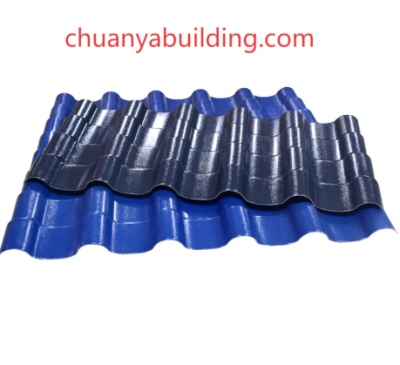
At the intersection of material choice and architectural expression,Chinese Asa Resin Tile enters creative building conversations, while Chuanyabuilding offers designers a platform where roofing becomes part of spatial storytelling rather than a hidden structural layer. When rooftops influence atmosphere as much as protection, where should design exploration begin?
Modern buildings increasingly emphasize how people feel inside a space. Warehouses host collaborative teams, workshops become demonstration studios, and production halls welcome visitors. Roof structures now contribute to acoustic comfort, light diffusion, and visual rhythm, shaping interior experience across working environments.
Natural illumination plays a central role in contemporary layouts. Roof systems that accommodate daylight integration help soften artificial lighting reliance while supporting clear circulation zones. Balanced light distribution encourages focused activity in manufacturing floors and relaxed movement in storage or assembly areas.
Sound behavior is another emerging consideration. Roofing profiles influence how noise travels within large-span structures. Thoughtful material geometry helps moderate echo across expansive interiors, contributing to calmer workplaces where communication remains clear even during active operations.
Exterior presence also reflects interior values. A building that presents ordered rooflines signals care and professionalism long before anyone steps inside. Industrial campuses increasingly align roof contours with brand identity, using unified silhouettes to express reliability and consistency.
Chuanya approaches roofing as part of architectural flow. Instead of presenting materials in isolation, solutions appear within building narratives that reflect real usage patterns. This perspective helps architects visualize how rooftop decisions affect interior volume, ventilation movement, and structural continuity.
Creative teams benefit from platforms that translate construction components into spatial outcomes. By connecting roofing choices with layout intent, it supports design conversations that move beyond measurements toward lived experience. This method allows planning teams to imagine how completed facilities will feel during daily operations.
In educational environments, processing centers, or commercial complexes, rooftops quietly influence mood. They frame skylight paths, shape ceiling heights, and guide air circulation. When these elements align, spaces feel intentional rather than assembled, supporting productivity and comfort together.
Design professionals also value access to interpretive guidance. Understanding how roofing integrates with beams, panels, and insulation layers helps unify aesthetic vision with structural logic. Chuanyabuilding provides that bridge, allowing creativity to coexist with construction practicality.
For those seeking deeper perspective on resin roofing concepts and architectural application, further insight is available here: https://www.chuanyabuilding.com/news/industry-news/what-are-chinese-asa-resin-tile.html As buildings evolve into environments shaped by light, sound, and movement, could your next roofing choice begin with a platform that treats rooftops as part of the human experience?